





Leather Types Explained
Understanding Leather Types - Your Guide to Material, Structure and Character
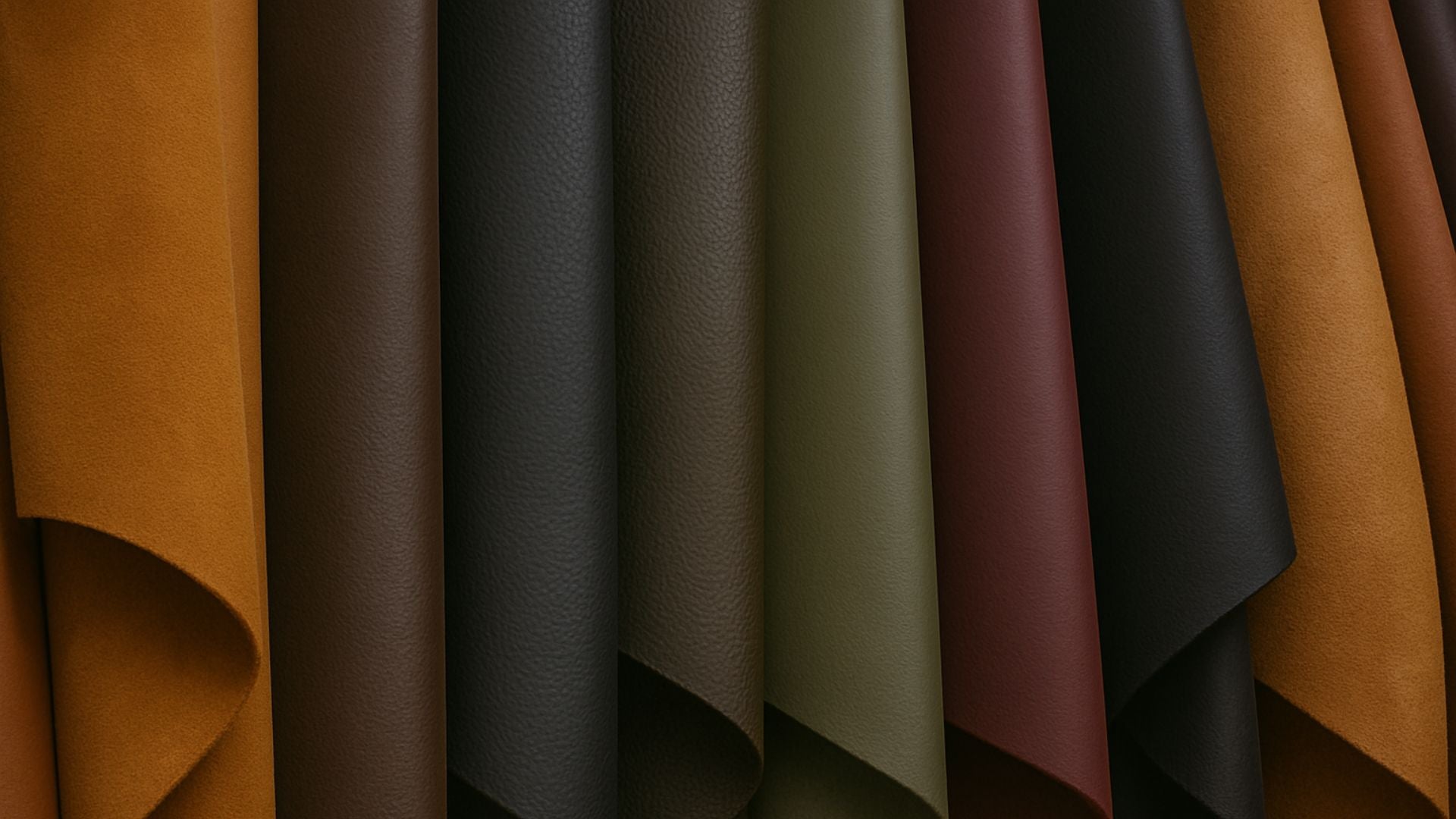
Leather is a natural material with history. It is versatile, durable, and constantly evolving. But leather is not just leather. Depending on tanning method, surface treatment, and finishing, different types of leather vary greatly in feel, care requirements, and appearance.
Terms such as aniline leather, pull-up leather, nubuck, or nappa are more than technical labels. They describe the character and behaviour of the material. But which leather type suits your lifestyle, your use, and your expectations?
This guide introduces the most common leather types in a clear and practical way - without unnecessary jargon. So you can make informed decisions based on material understanding, not trends.
Common Types of Leather at a Glance
Aniline Leather
Natural and open-pore. Highly breathable and sensitive, it develops a visible patina quickly. Ideal for those who value authenticity and natural ageing.
Embossed Leather
Finished with a structured pattern. More resistant and visually consistent. Well suited for everyday use with a distinctive look.
Pull-Up Leather
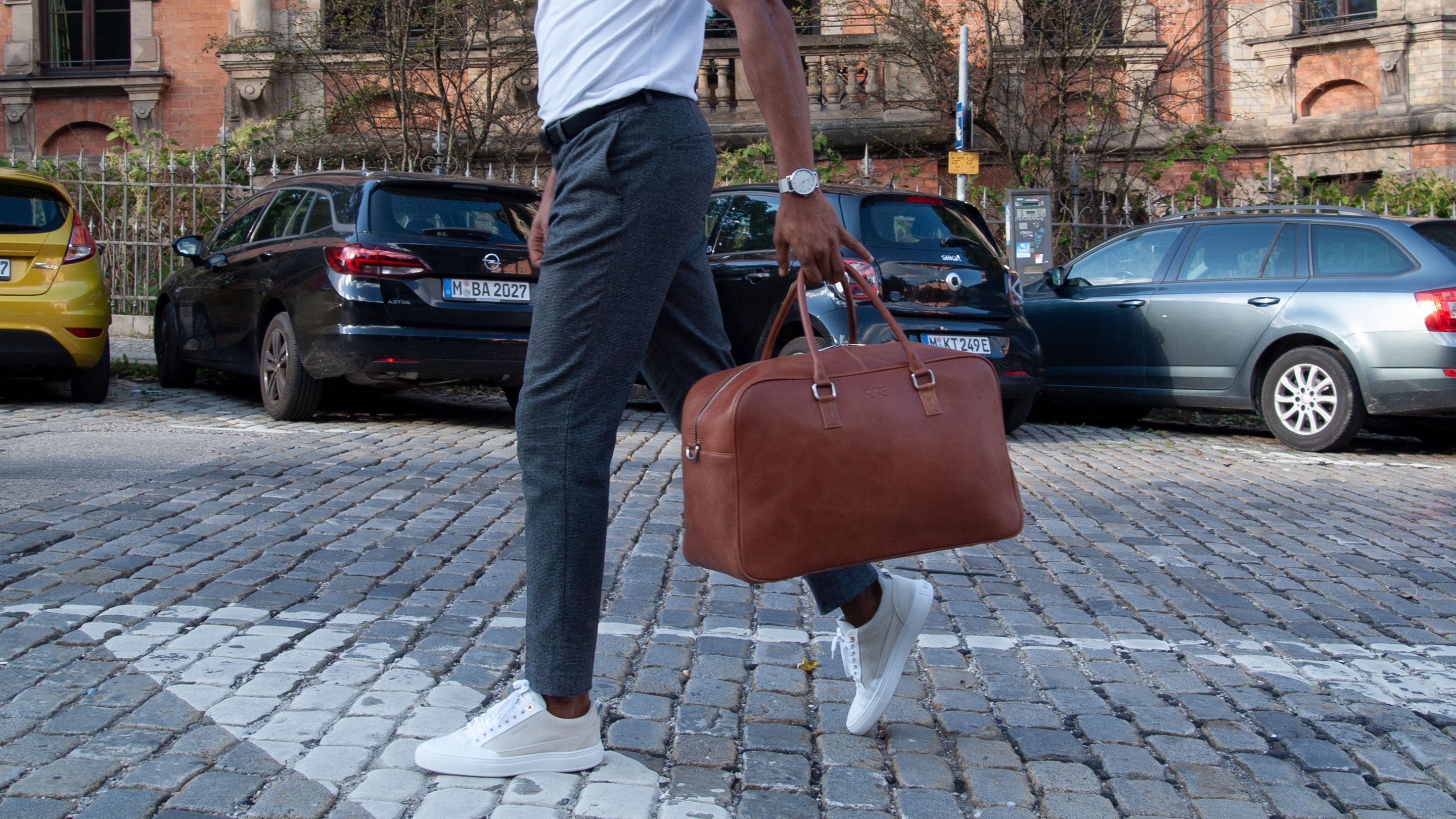
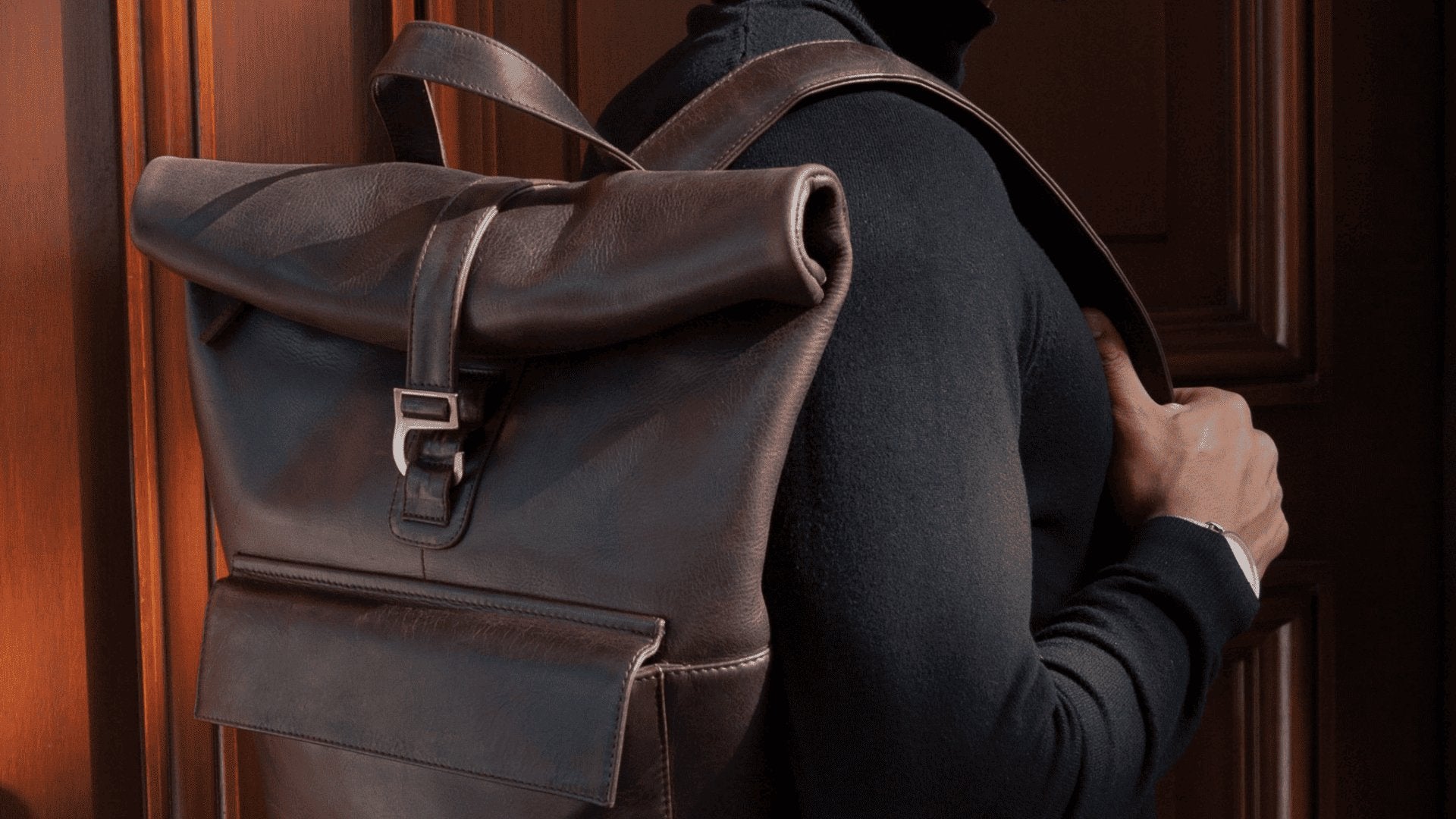
Treated with oils or waxes. Lightens and changes tone when bent or moved. Soft, robust, expressive, and known for ageing beautifully.
Smooth Leather
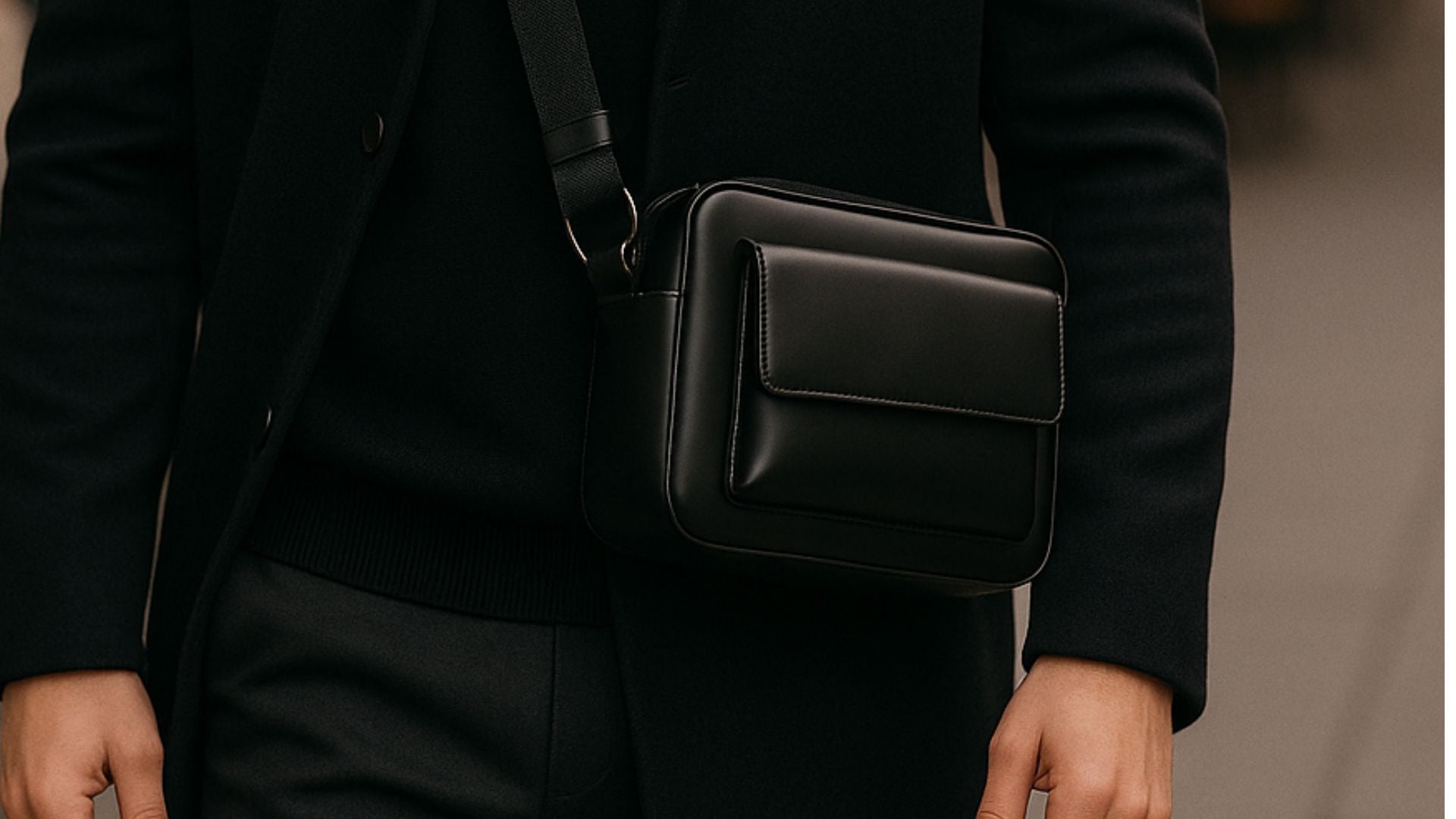
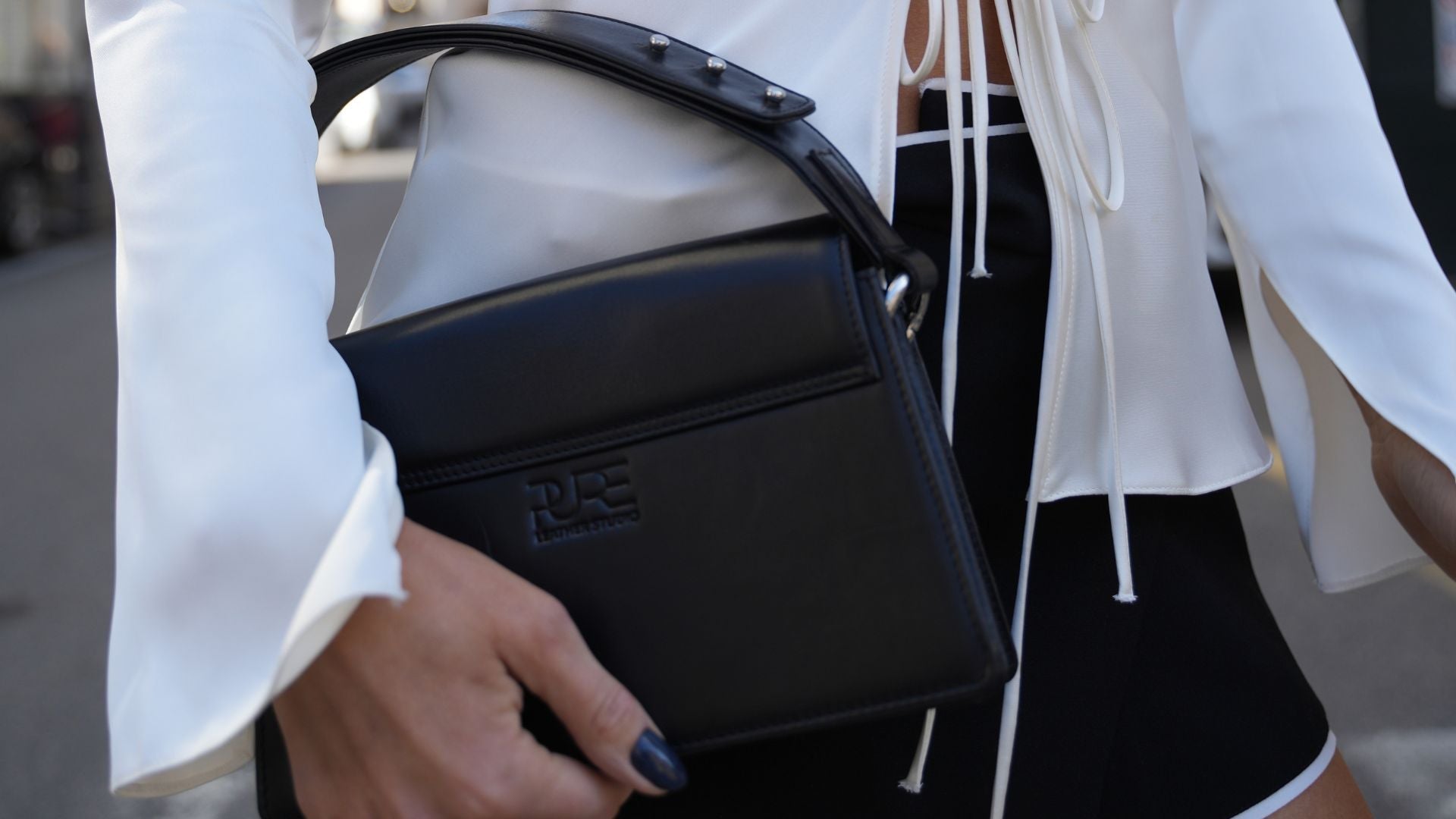
Closed surface and easy to care for. Durable, classic, and elegant with a clean appearance.
Patent Leather
Glossy and sealed. Eye-catching, water-resistant, and smooth. Best suited for special occasions or bold design accents.
Nappa Leather
Exceptionally soft and supple with a fine surface. Pleasant to the touch and refined in appearance.
Nubuck Leather
Lightly sanded with a velvety feel. Natural, elegant, and sensitive. Requires more careful handling and regular care.
Suede Leather
Rough and open-pore. More casual and tactile with a natural, rustic character. Commonly used for leisure-oriented designs.
Material Awareness at PURE Studios
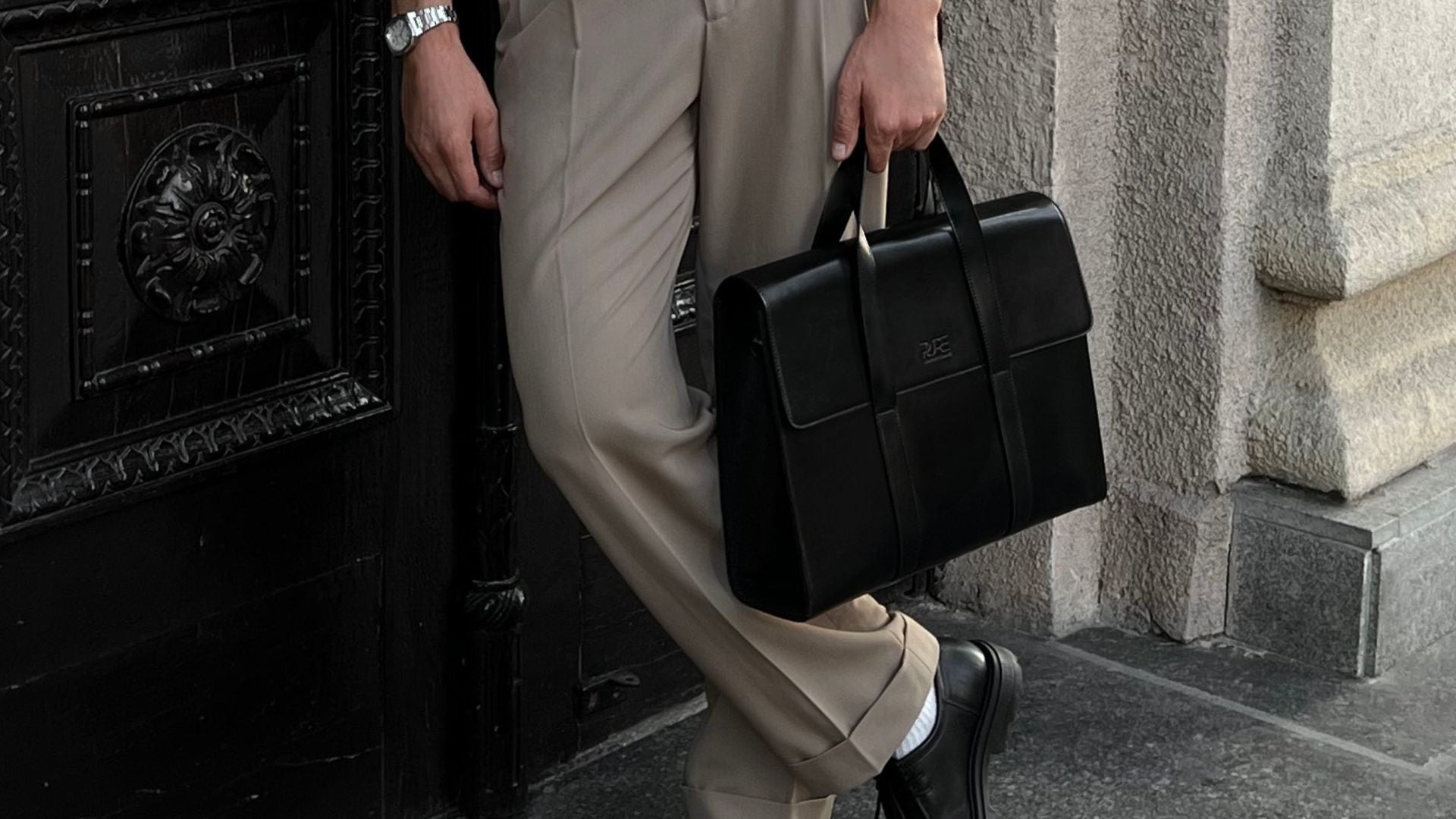
At PURE Studios, we consciously work with vegetable-tanned, open-pore leathers. No plastic coatings. No artificial shine. Our materials are designed to age, mature, and develop patina over time.
For us, good design starts with material understanding. Knowing how leather behaves, how it changes, and how it should be cared for is essential. Leather is not static - it lives, reacts, and tells a story through use.
You can explore this further in our detailed leather glossary, where we explain individual materials in depth and share practical care recommendations for bags, wallets, and leather accessories.
Understand leather - and make decisions that last.